Sri Lanka is an easy country to travel with children. People are genuinely welcoming to families, the food is adaptable, and the distances are manageable if you plan them properly. A few things are worth knowing before you book.
The single biggest factor is drive length
Children tolerate roughly half the driving adults will. The hill country roads are winding and motion sickness is common.
Keep individual legs under three hours and the whole trip works. Ignore that and it becomes a series of arguments in a car.
A practical route that respects this: Negombo, then the cultural triangle, then Kandy, then straight down to the south coast for a long stay. No leg over three hours, and the second half is a beach holiday.
What children reliably enjoy
- Udawalawe safari. Elephants, guaranteed, in open country where you can actually see them. Better than Yala for young children because sightings do not require patience.
- The Elephant Transit Home feeding sessions at Udawalawe — orphaned calves, up close, with a genuine conservation story.
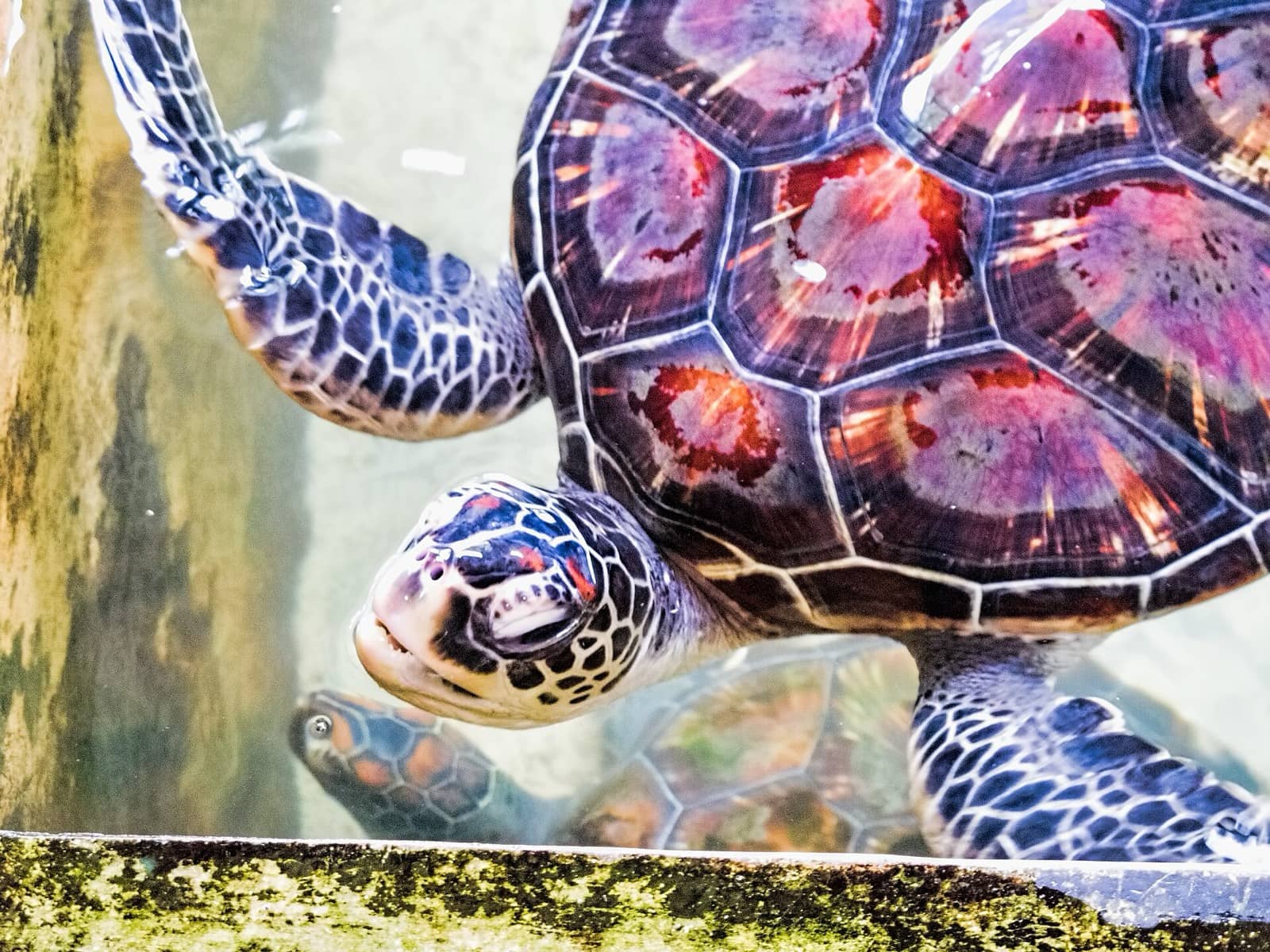
- Turtle hatcheries at Kosgoda and Rekawa. Choose one that releases hatchlings rather than keeping adults in tanks.
- The Madu river boat safari at Bentota. Mangrove tunnels, small islands, a cinnamon demonstration. About two hours and popular with almost every age.
- The train, in short doses. An hour with the doors open beats seven hours.
- Snorkelling at Hikkaduwa, where green turtles come into waist-deep water off the beach.
What to be realistic about
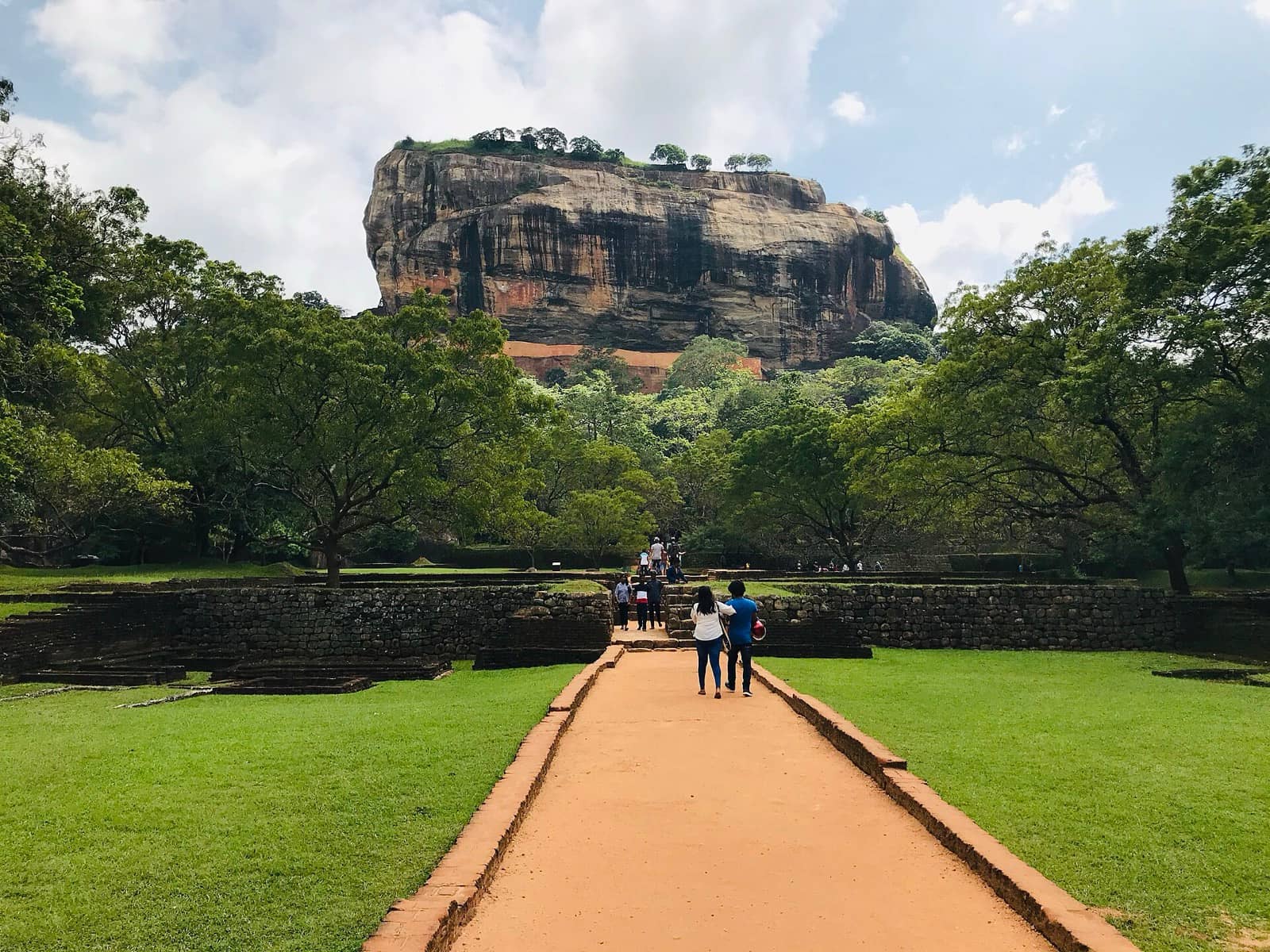
- Sigiriya is 1,200 steps, exposed, and hot. Fine for confident children over about eight. Pidurangala, the neighbouring rock, is shorter and has the better view of Sigiriya itself.
- Ancient cities — Anuradhapura and Polonnaruwa are large, hot and require imagination. Polonnaruwa by bicycle works far better than Polonnaruwa on foot.
- Yala involves long stretches of nothing punctuated by sudden excitement. Older children love it; younger ones get restless.
Swimming, and where not to
This is the thing to get right. Much of Sri Lanka s coastline has strong currents and no lifeguards. Rip currents cause drownings every year, including of strong adult swimmers.
Safer swimming, with the season that matters:
- Bentota and Beruwala (November to April) — generally calm, and the river mouth offers protected water
- Unawatuna (November to April) — a sheltered bay, one of the safest on the south coast
- Mirissa (November to April) — calm at the eastern end, stronger in the middle
- Nilaveli and Uppuveli near Trincomalee (April to September) — the calmest water on the island
- Passikudah (April to September) — shallow and protected for a long way out
Ask locally every single day. Conditions change, and the person renting sunbeds will tell you honestly.
Practical notes
- Child car seats are not standard. Ask for one specifically when booking a vehicle, or bring your own.
- Milk formula and nappies are available in Colombo and larger towns. Bring your preferred brand if you are fussy.
- Mosquitoes — dengue is present. Repellent at dusk, and long sleeves in the evening.
- Hotels are very accommodating about extra beds and early dinners. Ask; the answer is almost always yes.
- Heat is the main limiter. Plan sightseeing before ten in the morning and after four in the afternoon, and swim in between.
The shape that works
Front-load the sightseeing while everyone is fresh, then stop moving. A week of cultural triangle and Kandy followed by a week on one beach is a far better family holiday than fourteen days of touring, and considerably cheaper.